Sleep can feel so elusive, can’t it?
Waking up refreshed, realising you slept all the way through, didn’t need to get up to pee and weren’t woken by your partner snoring can feel like quite the achievement!
Sleep hasn’t come easily to me since my late teens. I’ve rarely slept through the entire night, and since hitting perimenopause, my bladder seems to have decided that at least one overnight bathroom visit is essential.
Then, of course, my brain takes the opportunity to replay the day’s events instead of letting me fall peacefully back to sleep.
But lately, that tiring cycle has taken a back seat and I am absolutely loving it.
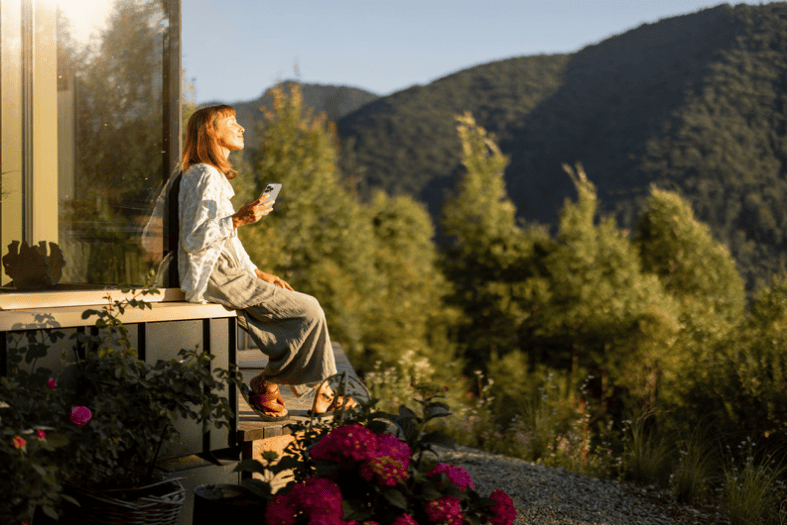
One habit I’ve embedded into my morning routine, which I believe has been an important contributor, is getting outside into the morning sunlight.
Why does morning sunlight matter?
You may have heard this advice before and dismissed it. I certainly did.
But when I understood what was actually happening inside my body, it gave me a much stronger reason to make it part of my day.
Think of morning sunlight as pressing the “start day” button on your body clock.
When natural light reaches your eyes, special light-sensitive cells send a message to your brain:
“It’s morning. The day has begun.”
Your brain then begins coordinating several changes:
Any remaining melatonin, the hormone that helps you feel sleepy, begins to reduce.
Your natural morning cortisol response is supported, helping you feel more awake and alert.
Your internal clock starts timing when you should feel energised and when you should begin feeling sleepy again later.
In simple terms, morning light helps your body understand what time it is.
When your brain receives a clear morning-light signal, it can more appropriately time the release of melatonin later that evening. This may help you feel naturally sleepy and make it easier to settle at bedtime.
Morning sunlight can support:
Your sleep and wake rhythm
Morning – let’s get ready and go
Daytime energy and focus
Mood
Feeling sleepy at the appropriate time that evening
How much morning light do you need?
As a practical suggestion, get approximately:
You don’t need to stare directly at the sun, in fact, please don’t. Simply go outside and allow the natural daylight to reach your eyes while you:
Drink your morning coffee outside
Eat your breakfast outdoors
Park a little further away and walk to the office
Outdoor light is generally much brighter than indoor lighting, even when it’s cloudy, which is why stepping outside is more effective than sitting beside a window.
I’ll be honest, at first, I found it difficult to sit outside but once I connected this small action with my desire to sleep better, have more energy the next day and feel more like myself, I had a meaningful reason to keep doing it.
Then I began noticing the benefits and over time, my brain learned – “This is something that helps me feel good.”
That is how sustainable habits are built, not through perfection, but by connecting a small action to something that genuinely matters to you.
Could your body need a different kind of support?
If poor sleep, low energy or feeling constantly overwhelmed are affecting your wellbeing, my Free 30-Minute Health Audit can help you identify what may be contributing and your most helpful next step. Contact